Steam turbines and steamboats
Throw away the piston, aim the steam at some blades, and spin. Meanwhile, on the water, paddles were churning.
How a turbine works
In a steam turbine, the steam rushes out of nozzles at high speed and spins the blades directly, with no piston at all. Encyclopaedia Britannica: steam engine
A steam turbine is a rotor sitting on bearings inside a cylindrical casing. Encyclopaedia Britannica: steam turbine
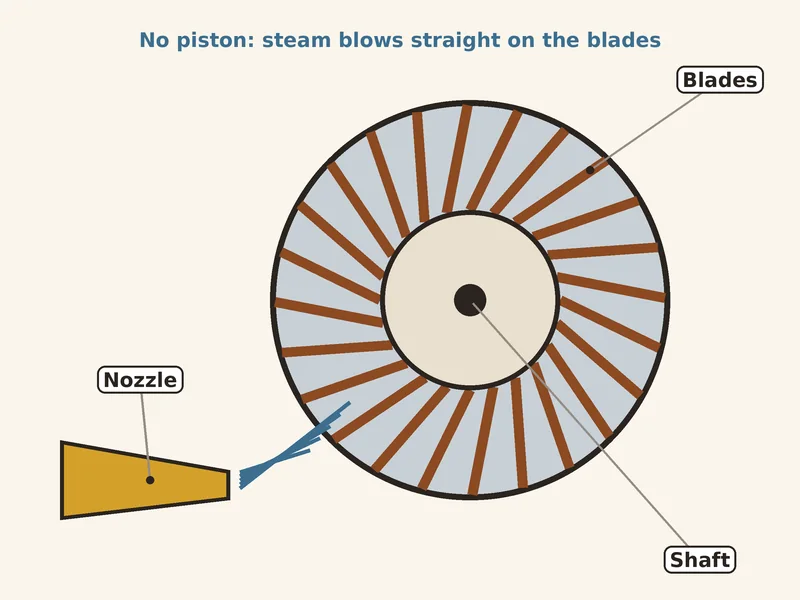
Sound familiar? Hero’s spinning steam ball also worked by squirting steam, about 1,800 years earlier.
Charles Parsons and Turbinia
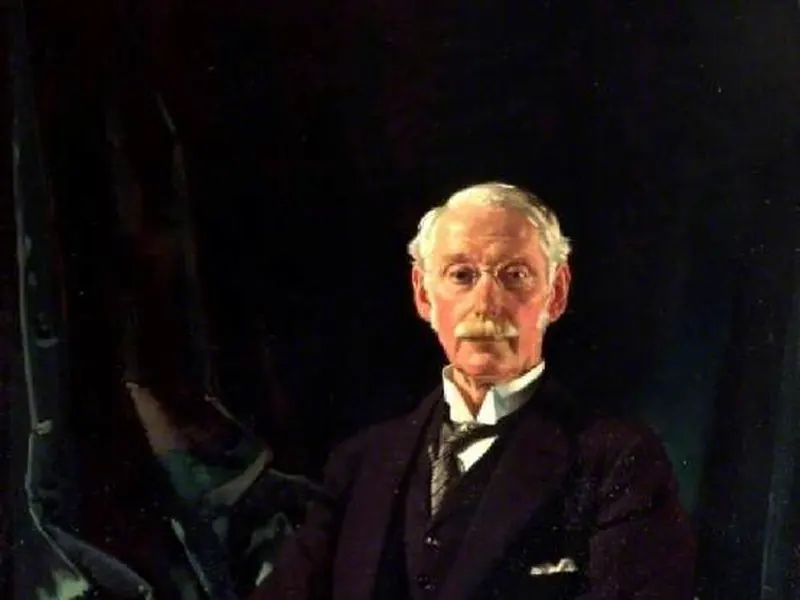
Sir Charles Parsons invented the modern steam turbine in 1884, passing steam through rows of rotors that get bigger as the steam expands. Encyclopaedia Britannica: steam turbine
Parsons’s little ship Turbinia used a turbine with only spinning parts instead of pistons going up and down. Encyclopaedia Britannica: steam turbine
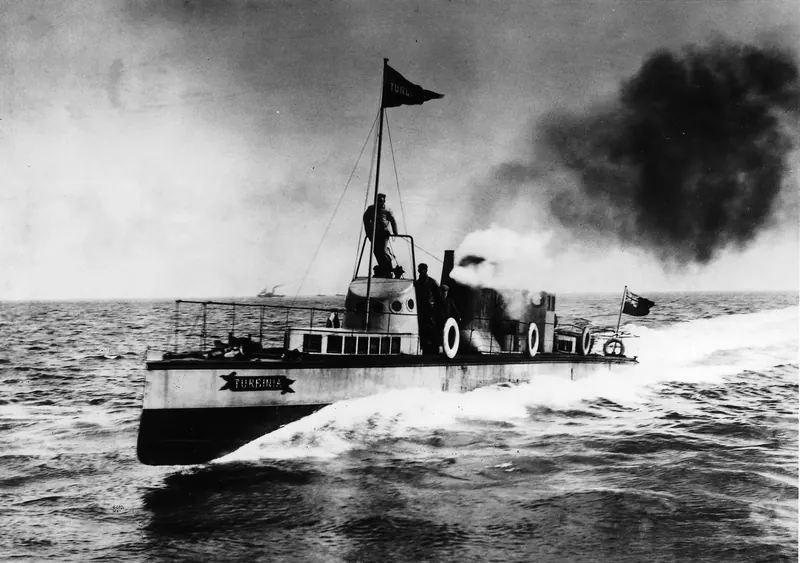
Navies put turbines in destroyers from about 1900 and in battleships from 1906, because they ran more smoothly. Encyclopaedia Britannica: steam turbine
Modern steam turbines reach efficiencies of 35 per cent or more. Encyclopaedia Britannica: steam turbine
People even tried turbine locomotives: one of the first was a Swedish engine built in 1921, but it came too late to beat diesel and electric trains. Encyclopaedia Britannica: steam turbine
Steamboats
American steamboats began in 1787, when John Fitch made a successful trial run. Encyclopaedia Britannica: steamboat
The first practical steamboat was the tug Charlotte Dundas, built by William Symington and tried on the Forth and Clyde Canal in Scotland in 1802. Encyclopaedia Britannica: steam engine
Robert Fulton put a steam engine in a passenger boat in the United States in 1807. Encyclopaedia Britannica: steam engine
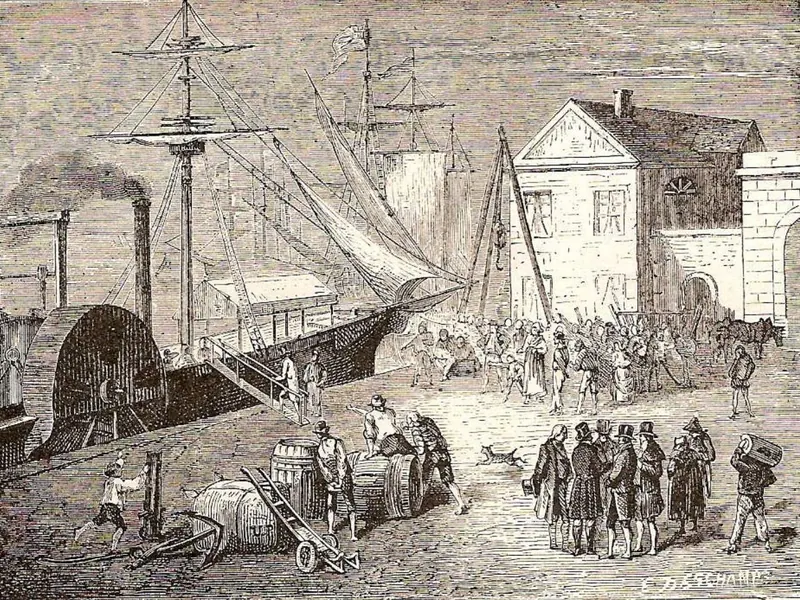
Henry Shreve shaped the Mississippi steamboat: a high-pressure engine set high above the waterline on a hull as shallow as a barge’s. Encyclopaedia Britannica: steamboat
Next: no-heat experiments →